💉 Syphilis is curable
But only if it is recognised and treated in good time.
🤒 Symptoms are often inconspicuous
A small spot on the tail, a rash on the body or no symptoms at all.
👨❤️💋👨 Simple transfer
When fucking, blowing or licking, even when kissing.
🧑⚕️ Testing is easy & important
The earlier, the better for you and your sexual partners.
What is syphilis?
Syphilis is a sexually transmitted infection (STI) caused by the bacterium Treponema pallidum is triggered. It has been around for ages, but is still a hot topic - especially in queer scenes. Syphilis is one of the classic sexually transmitted diseases and can affect anyone who has sex.
Syphilis symptoms by stage
1. early stage: primary effect
After infection and an incubation period of 2 to 3 weeks, a small, painless spot or lump often appears - usually on the tail, arse, mouth or wherever the pathogen has got in. It looks harmless, but can be contagious!
2nd secondary stage: rash & spots
A few weeks later, a rash often appears - all over the body, even on the palms of the hands or soles of the feet. Sometimes there are also small nodules or spots. Many people then think of all sorts of things, but not syphilis.
3. late stage: final stage
If left untreated, syphilis can attack organs, nerves and the brain years later. This is rare, but really bad - and preventable if you get tested and treated.
Transmission & infection with syphilis
Syphilis is transmitted very easily - during fucking, blow jobs, licking and even kissing if someone has open sores in their mouth. Infection is also possible through close skin contact or when sharing sex toys without protection or thorough cleaning.
- Syphilis during oral sex: Yes, you can!
- Syphilis through kissing: Possible if there are vacancies.
- Without sexual intercourse: Also possible, e.g. via minor injuries.
Syphilis: test & diagnosis
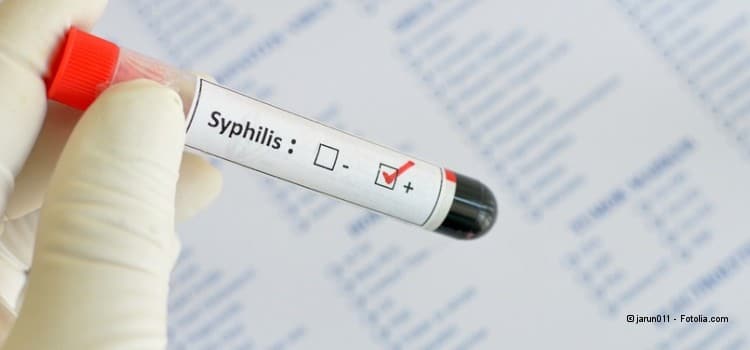
Do you want to know if you have syphilis? A blood test at the doctor's or at a checkpoint will provide clarity. There are also rapid tests, but they are not as reliable as the laboratory test. Important: Even without symptoms, you should get tested regularly if you have changing sexual partners.
Syphilis: treatment & cure
Syphilis is easily treatable and curable with antibiotics (usually penicillin) - provided you follow the treatment. After treatment you are usually no longer infectious, but a control test after a few weeks is mandatory.
- How long does the treatment take? Usually one injection is enough, sometimes several are needed.
- Risk of infection after therapy? After successful treatment and control test: no.
Prevention & protection against syphilis
Condoms and leaks reduce the risk, but do not protect 100%. It is important to look out for changes in your cock, arse or mouth and to get tested if you are unsure. If you have syphilis, tell your sexual partners - it's fair and protects the community.
FAQ: the most important questions and answers about syphilis
Syphilis is easily treatable - but only if it is recognised. Many people don't know exactly how they can become infected or how to recognise the infection. You can find answers to frequently asked questions here
Syphilis is mainly transmitted during sex - i.e. during fucking, sucking, licking or even kissing if someone has open sores in their mouth. The pathogen can enter the body via tiny lesions in the skin or mucous membrane. This means that you can become infected even without traditional sexual intercourse, for example when sharing toys or close skin-to-skin contact. That's why you should always remain vigilant and take a test if you're unsure!
After infection, it usually takes 2 to 3 weeks for the first signs to appear - for example a small spot or lump on the tail, arse or mouth. Sometimes, however, the infection goes unnoticed for longer because the symptoms are so inconspicuous or completely absent. This is why regular testing is so important, especially if you have changing sexual partners.
Yes, it's actually quite common! Many people don't even notice the infection and feel completely fit - but are still contagious. Syphilis can therefore also be passed on "invisibly". This is one reason why the disease is spreading again in the scene. Regular testing is therefore the best strategy to be on the safe side.
In men, syphilis often appears as a small, painless spot or lump on the cock, arse or in the mouth - depending on where the contact took place. Later, a rash may appear on the body, sometimes also on the palms of the hands or soles of the feet. However, the symptoms can occur anywhere on the body and are not always clear-cut. So it's better to test more than too little!
You can easily get tested for syphilis - for example at the doctor's, at a checkpoint or with a home test. There are syphilis tests for home use that you can order discreetly and easily online, for example from samhealth.com. The test usually involves a small blood sample and you will quickly find out whether everything is okay. Regular testing is worthwhile, especially if you have changing sexual partners!
The best protection against syphilis is to use condoms or lick wipes during sex - whether you're fucking, blowing or licking. However, even this does not completely eliminate the risk, as syphilis can also be transmitted via skin contact and minor injuries. Regular testing is therefore extremely important, especially if you change sex partners frequently.inside. And if you've had syphilis, tell your sex partnerinside - so you not only protect yourself, but also the community.
Link recommendations
- Further information on sexually transmitted diseases
- Test offers in your area
- Safer sex & protection
Blog posts about syphilis
Exciting articles and real voices from the community: find out more about everyday life with syphilis, current testing and treatment options and personal experiences. Read how others are contributing to destigmatisation through education, routine tests and open communication - for more knowledge, protection and solidarity in the community.