
Category: Community

  • Edward: "No one can survive this alone, it only works together!"

    Edward: "No one can survive this alone, it only works together!"

    Edward MutebiB. A. Organisation and Communication Management, an activist from Uganda who currently lives in Berlin. He is 28 years old and I got him on the line for a telephone interview. As the interview was conducted in English, I translated it into German.
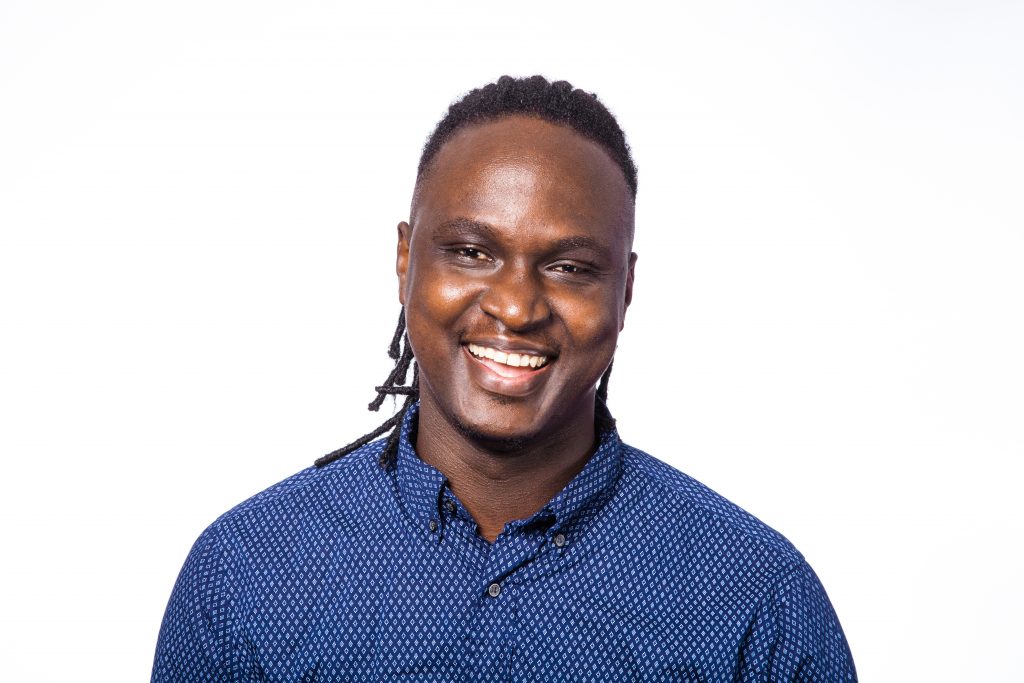
    Edward laughs
    Edward has the human rights organisation LET'S WALK UGANDA co-founded.

    Hello Edward! Thank you for taking the time for this interview. Why don't you tell us about your activities in Uganda?

    I don't want to talk so much about myself, but more about us, us, the group of queer refugees. - In Uganda, I was an activist for LGBTIQ rights. We founded the human rights organisation LET'S WALK UGANDA was founded. In 2016, the housing project for LGBTIQ and HIV+ people, the LET'S WALK UGANDA SHELTER, was added. It provides accommodation for people who have had to leave their homes due to their queerness or HIV status. Volunteers ensure that these people have access to medical treatment and care through cooperation with medical care centres. Safer sex education, empowerment and the distribution of condoms, for example, are other activities covered by SHELTER, with a focus on men who have sex with men (MSM). I still support it from Berlin and of course follow the current activities and developments.

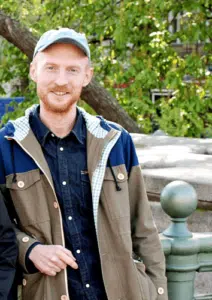
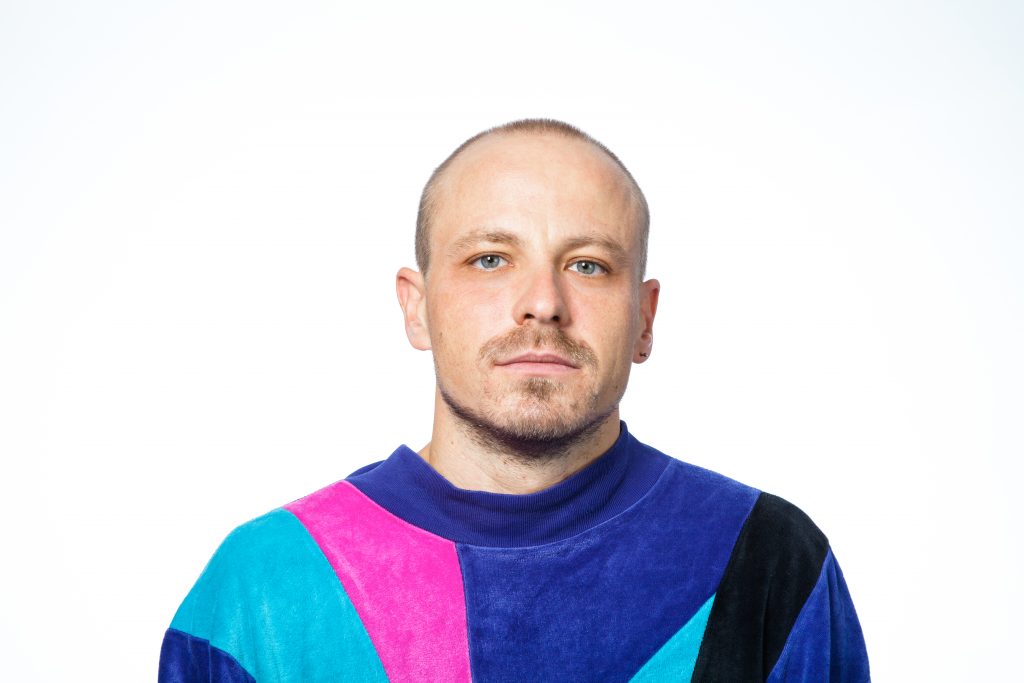
    Edward (top centre) is currently featured with 5 other queer people in our nationwide print adverts in gay and queer magazines.

    How did you experience the coronavirus period this year?

    Initially, I was in Munich. A key problem in Munich is the availability of housing for refugees, so we started a campaign. The situation has worsened enormously due to corona, many refugees are living homeless: with friends, on the street or in camps.

    Access to medical care has also become more difficult. Doctors became even more impatient than they already were due to the initial uncertainty of the situation. Requests for appointments were either turned down completely or you were offered one in five months for something that can't really wait that long. Also the PrEP was harder to get. I also sympathise with the doctors these days, of course. Many of us are struggling with language barriers; when they encounter exhausted and overstimulated medical staff, it puts even more strain on everyone involved.

    In Bavaria, the treatment of refugees has also changed during the coronavirus pandemic: Penalties are now being imposed on people who enter Germany on a tourist visa and then apply for asylum here. This is a new procedure, a new policy that increases the pressure on refugees under coronavirus conditions.

    Do you perhaps have an example of this from your activist work?

    "Under coronavirus conditions, legal injustice and unequal treatment of refugees have increased."

    I would like to tell you the story of a young man who unfortunately fought in vain for fair treatment during his asylum procedure. He entered the country with just such a tourist visa and then applied for asylum in Bavaria. As he was accommodated in a camp where there were many coronavirus cases, he had to go into quarantine for ten days. During this time, he received a letter from the court and when he came out of quarantine, he only had two days to prepare for the hearing! He wanted to explain to the court that he was fresh out of lockdown and ask for more time to organise legal support. But he got a complete rebuff and also had to pay the fine. This is just one example of how legal injustice and unequal treatment of refugees have increased under coronavirus conditions.
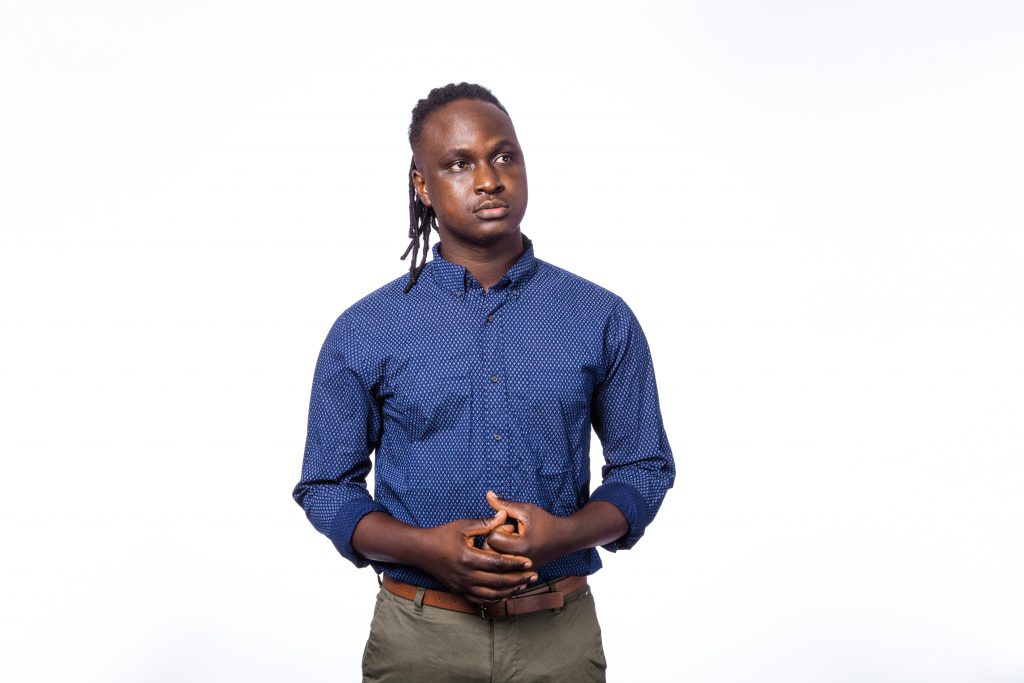
    queer solidarity: Edward looks serious
    Edward complains that the pressure on refugees has increased under coronavirus conditions.

    For example, many refugees receive delayed asylum decisions, too few appointments with lawyers and stay in the camps for too long. And sometimes with high Covid19 rates. This and the many rapid changes over the last few months can be extremely stressful mentally. Those of us who have a flat often suffer greatly from isolation and loneliness, and the poverty in which many of us live is also more severe; our problems are increasing because support structures have been cancelled during the crisis and lockdown.

    It has helped me to get out of my hovel quickly, to offer help to my neighbours, to get back in touch so that I don't go crazy. I helped myself by helping others.

    What does queer solidarity mean to you?

    Stick together, stand up for each other, work together, care for each other, support each other, forget no one, leave no one behind!

    What do you wish for the future?

    I would like to see more participation in political decision-making processes and an awareness of the additional risks that queer refugees are exposed to. I have the impression that queer people are viewed in politics as if we were all the same. The differences in our realities are not particularly well reflected. We need support services and structures such as a telephone hotline to provide guidance on how things work in this country, where I have to apply for what and when, and how to do it.

    In general, I wish for more queer solidarity, love and that one thing is clear to everyone: no one can survive this alone, it can only be done together!

    Is there a project that you think needs particular support?

    In these coronavirus times, humanity is quickly being neglected and everyone is looking out for themselves. This is understandable, but this selfishness has also led to a sharp increase in human rights violations. In Uganda, twenty queer refugees were attacked in a supposedly safe house and ended up in prison for fifty days without a trial and without even seeing a lawyer!

    Our organisation has saved many in Uganda and it is becoming clear that our safe housing project needs to be larger and that we urgently need resources for an information centre that provides access to the internet and thus to networking. A library is also to be built.

    In Munich, we are currently founding "Plus", the first organisation in Bavaria by and for refugees. Because the measures of the existing structures often fail to meet our needs. People sit behind their desks and plan something that we can't do anything with. That's why our first step is to survey the problems and needs of as many queer refugees in Bavaria as possible in order to then develop projects. In any case, we already need a meeting place, i.e. rooms, infrastructure, etc. There should be counselling, the website is in the works, but unfortunately not yet online because we are dependent on the capacities of volunteers and well, you know, it's hard to say when something will be ready! (laughs) We are in the official registration process and if you want to do something, then support this organisation!

    All right! That was really exciting, thank you! Please keep us up to date on how things are going with "Plus" - when we can link you here so that as many people as possible can find you who need or want to give support!

    Leave no one behind!


    The queer scene has also been affected by the coronavirus pandemic, whether through possible loneliness or financial difficulties. Do you want to help or are you looking for help? #WeForQueer lists projects that offer help or are looking for support themselves. Click through and find a suitable aid or solidarity campaign!

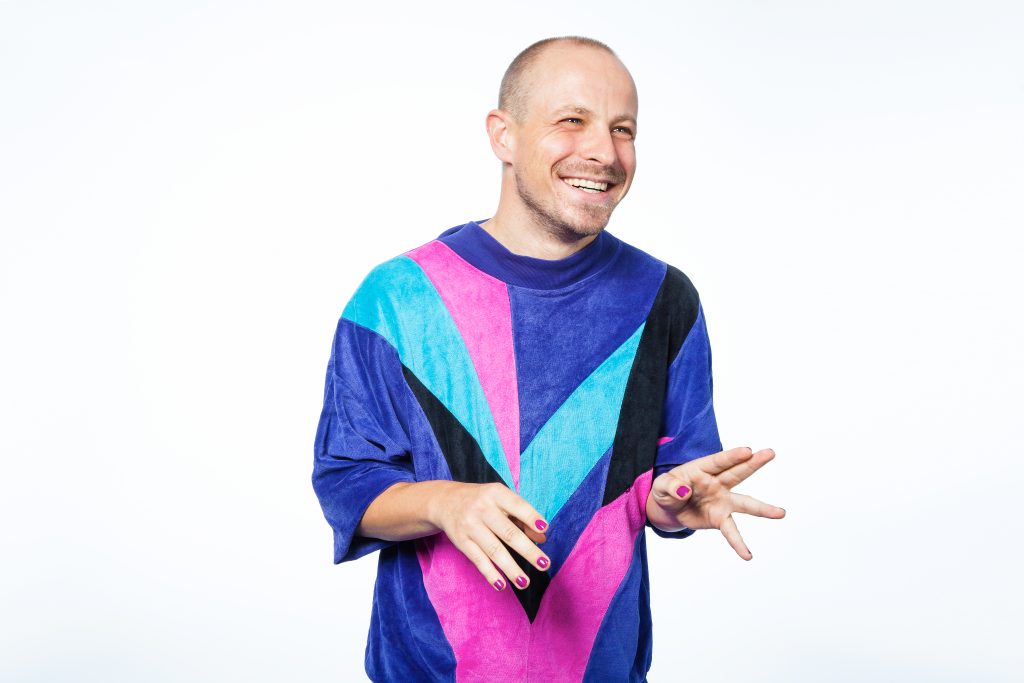
  • Robi: Fighting together - even with a mask

    Robi: Fighting together - even with a mask

    Trigger warning: At one point in this article, violence against queer people is reported.

    Searching for clues during the shutdown

    Even in a pandemic, it's all about perspective. Robi worked in Mexico City for several years, including on a project for street children. "When the shutdown came, I often thought about my friends there," he says. "Corona is hitting them even harder than us in Germany. Without enough money, you only get the most necessary medical help there, if any at all." But even in cities like Berlin, the anti-corona measures have "really taken their toll", says the 33-year-old. "The clubs are closed and many of my people are very worried about losing their jobs."

    "The corona period was a turning point."

    "I've got it good against that," admits Robi. He works in the social sector for an LGBTIQ organisation. "I have the privilege of not only having a secure income right now, but also having a bit more time for myself thanks to working from home. I was also able to tackle things that I had been putting off until then."

    For Robi, the prescribed corona break was a turning point. A good year after coming out as intersex, he continued his intensive search for clues, requested medical documents from his maternity clinic and contacted the registry office that registered his birth.

    As intersex born as a child, Robi underwent multiple operations without his consent. He wanted his body to conform to what society and medicine considered to be "male". "I used to suppress a lot of that," says Robi, "it was a big thing to realise that and discover that I was intersex."

    Robi laughs
    Robi has found allies in Berlin's gay and trans* communities.

    Queer means: the right to be different!

    Friends and acquaintances who are just as unwilling to be forced into the rigid male-female mould have helped him a lot in his coming out. Robi has received a lot of solidarity and found allies in Berlin's gay and trans* communities. Although the experiences of inter* and trans* people are very different, there are many overlaps, he explains: the diverse physicalities, the gender-changing operations. "For me, however, the operations were forced interventions during my childhood, which meant a violation of my physical integrity and my gender self-determination. I did not decide on these medical interventions for myself".

    Trans* and inter* have "much more in common" than differences.

    Despite these differences to trans*: There are many more similarities! Robi is convinced of this. That's why the Potsdam native also supports the campaign #WeForQueer from I KNOW WHAT I DO. "I am very grateful to the queer community because it criticises heteronormative society. For me, queer means the right not to be physically a man or a woman, but to be intersex."

    "For me, solidarity means understanding what moves other people, looking for common ground - and then fighting together in our differences!" And that's why Robi is currently flying the rainbow flag particularly often, wearing a protective mask and keeping his distance, of course. In March and August, for example, he protested in front of the Polish Institute against the "LGBT-free zones" in our neighbouring country. At the end of June, he was at the "Black Lives Matter" demonstration in Berlin.

    Robi (right, 2nd from top) also takes to the streets in times of corona and fights for the rights of queer people with a rainbow flag.

    Stress test for our democracy

    "Unfortunately, I didn't make it to the Slubice Frankfurt Pride," regrets Robi. [Slubice is the Polish neighbouring city of Frankfurt/Oder. In September 2020, a joint CSD demo took place in both cities for the first time. Editor's note.] But Robi makes it clear: "Unfortunately, trans*, inter* and homophobic attacks also happen in Berlin." He and his friend experienced this first-hand. In May, a man attacked her at the S-Bahn stationshouted: "You gay pig! Get out of Germany!". The man even jumped into the track bed to throw stones at the two of them. "We were physically unharmed, but it was a big shock." A railway employee helped them to flee from the perpetrator. "I've heard stupid comments before, but an attack like this is more blatant," emphasises Robi. "I have the feeling that our social climate is very tense at the moment. A level of hatred is becoming more visible in public that I - at least personally - have never experienced before." Since then, Robi has become increasingly concerned about our democratic institutions: "Corona is also a stress test for democracy, the rule of law and the protection of minorities."

    Robi looks serious
    Robi is increasingly worried about the social climate.

    Be critical, don't be unempathetic!

    Robi does not see our state through rose-tinted spectacles. He finds it important to criticise social norms: "Being queer means questioning normative gender relations." Of course, this also includes viewing government measures with a critical eye - including the pandemic regulations. "On the other hand, I find it frightening that corona is being openly denied. Even a few people in the queer scene are doing that. I find that lacking in empathy!"

    Robi tries to avoid infection with Covid-19 as much as possible. His friend is in the risk group. "If he or I got coronavirus, that would be stupid." Sometimes his friends are surprised when Robi would rather meet up outside than go to a café. He then patiently explains why he is cautious. "We have to have these discussions. That's also part of being queer: Standing up for your own attitudes and values. Of course it's difficult."

    Demonstrate with masks and social distancing rules: E.g. on 26 October 2020 for Intersex Awareness Day!

    And demos also work with masks and social distancing rules. The next one is already in Robi's diary: 26 October is Intersex Awareness Day, the world day of intersex people. "Last year, there was a demonstration in front of the Ministry of Health," Robi reports and laughs. "This year, I've registered a rally in front of the Bundestag from 3 p.m. and am currently organising the event in cooperation with TrIQ e.V. (to the Facebook event). It would be great if all our allies were there too!"

    More information on Intersex Awareness Day on 26 October:

    www.intersexday.org


    The queer scene is also affected by the Coronavirus pandemic affected, whether through possible loneliness or financial difficulties. Do you want to help or are you looking for help? #WeForQueer lists projects that offer help or are looking for support themselves. Click through and find a suitable aid or solidarity campaign!
  • Kaey for Solidarity: "Wonder Woman" wants to sing again

    Kaey for Solidarity: "Wonder Woman" wants to sing again

    Since September, Kaey has felt like Wonder Woman: invincible! At least the coronavirus can't touch the Berlin native any time soon. She has just survived the infection. "For me, the spook is over for now," says the 40-year-old and laughs. It is still unclear how long a person is immune after a Covid-19 infection. Experts suspect that the body's own protection could last up to three years. At least that's the case with other coronavirus diseases such as SARS. But nobody knows for sure yet. That's why Kaey remains cautious and is following all the safety rules.

    #WirFürQueer print advert: 6 queers under a rainbow umbrella. Text: Helping each other at iwwit.deKaey for Solidarity
    Kaey (top right) is one of six queer people we featured on our advert. #WeForQueer in October 2020. All six are featured here on the blog.

    "When my doctor told me the test result, I was nervous," remembers Kaey. "Overweight people are in the risk group. But luckily I have a good immune system. I only had a slight fever and a cough for a week. Just like a mild cold." Even better: she was also spared the late effects of a Covid-19 infection, which some people suffer from. The passionate singer can breathe freely again. She has always been able to smell and taste normally.

    The void after the lockdown

    "It makes me feel a certain emptiness throughout the day - and in my wallet."

    Kaey has not only experienced the new virus first-hand, she has also been personally affected by the measures taken to combat it: "As a singer and performer, I want to perform in front of people. But I haven't been allowed to do that for six months now." Otherwise, the native of Halle is on stage two or three times a month, in a drag show or at a concert. Although her main job as an editor provides her with a secure income, she misses these regular side jobs - but above all the opportunities to express herself artistically. "That leaves me feeling a certain emptiness throughout the day - and in my wallet." The situation is serious, but the entertainer still has a final punch line. Laughter helps her through the crisis.

    Kaey for Solidarity
    Kaey normally performs on stage two or three times a month.

    At least there were a few outdoor events again in the summer, with plenty of distance and fresh air. But it was precisely these events that made Kaey feel the crisis in the show industry particularly keenly. "The few opportunities to perform were in high demand," says Kaey. "That intensified the competition and made the differences between people even greater."

    Entertainment creates community

    Now the cold autumn is coming and driving people indoors, but many venues are still closed. "I'm really scared for my clubs," admits Kaey. For Berlin nightlife institutions such as Swuz or SO36 the corona crisis is fatal. "If they disappear, we would miss something," emphasises Kaey and explains why: "The queer community is largely created through entertainment: dancing, drag shows... This cultural landscape is in danger."

    "Politicians must now find more effective solutions."

    The state of Berlin is supporting its discos and concert halls with financial injections - just like other major cities. "So far, there has only been emergency aid, but no really sustainable idea of how cultural life could continue despite corona," criticises Kaey. "Politicians must now find more effective solutions to cushion the economic impact. Otherwise many of these important places will disappear."

    What Kaey misses most are clear rules on how parties and shows could continue - preferably standardised for the whole country. "So far, there are still double standards: People wearing masks are allowed to sit next to each other on trains and planes, but not yet in the theatre. Why is that?"

    At least theatres in Berlin will soon be allowed to reopen, albeit with strict restrictions and significantly fewer audiences than before the pandemic. With the appropriate technical requirements, at least up to 60 per cent of seats should be able to be occupied again, with social distancing and face masks worn during performances. Kaey is nevertheless sceptical: "It's a bad sign that even high culture was considered dispensable for months. If it is treated so subordinately, what is left for our subculture?"

    Kaey for Solidarity
    Kaey is the fashion and beauty expert at SIEGESSÄULE magazine!
    (© Photo: Alexander Heigl)

    Putting pressure on together

    "But there is already solidarity among queers."

    Kaey believes it is all the more important that the queer community does not allow its - mostly night-time - meeting places to be taken away: "Clubs like Schwuz are safe spaces where gays, lesbians, trans* and other queers can meet and have fun together." She thinks it would be best if everyone put the pressure on together: "I know a lot of people who say disappointedly: 'What community? Everyone is just fighting for themselves! But there is already a Solidarity among queers. In Berlin at least, many different subcultures are present, they have their mouthpieces to make themselves heard - and they are well networked."

    Kaey is particularly involved in the trans* community. It is very active and often speaks out, she assures us. About her main job at the queer city magazine Victory Column she also knows many lesbian activists. "Many queer groups work together regularly - despite the trench warfare that sometimes occurs." Kaey finds this cohesion important, especially in times of a pandemic. "We in the community often use the same spaces. It would be fatal if we didn't fight for them together."


    The queer scene has also been affected by the coronavirus pandemic, whether through possible loneliness or financial difficulties. Do you want to help or are you looking for help? #WeForQueer lists projects that offer help or are looking for support themselves. Click through and find a suitable aid or solidarity campaign!

  • "Not much thought, just done"

    Escort service for senior citizens with Nico Woche (Photo: Guido Woller )
    Escort service for senior citizens with Nico Woche (Photo: Guido Woller )

    Nico Woche (33) works as a freelance screenwriter. Since the end of 2010, he has been involved in the "Mobile Salon", a service offered by the gay counselling service in Berlin.

    The free visiting service aims to prevent gay senior citizens from becoming lonely. An interview about gay commonalities in all generations and the motives for volunteering.

    Nico, you're involved in a "visiting service for older gay men" - what do you do there?

    The agreement is: I meet up with Rainer* once a week. Sometimes we go out for a meal, but often we just walk around Berlin and chat.

    What are you talking about then?

    Rainer likes going to the theatre. So it often starts with culture and then we get talking. Sometimes we also discuss very personal things that are on the agenda.

    Sounds like small talk. Culture is often just a game. First of all, we talk about a play Rainer has seen. You can't immediately talk about what moves you inside. You wouldn't be able to bear it! Personal things are often just accessories, inspirations that you don't even realise. Just being with an older person gives me a different perspective on my life. It's hard to put into words. But then I think to myself: you're going to be that old one day, and soon. That helps me to think about how I want to live later on.

    You've been seeing each other for almost three years now. How would you describe your relationship? Are you acquaintances? Salon colleagues?

    We have long since become friends. We meet up about once a week. Sometimes more often, sometimes less often, but always voluntarily. (laughs)

    There are almost four decades between you and Rainer. Where do you notice differences?

    The differences are not that big. We always realise that many things in our lives are actually very similar. Rainer may wear different trousers to me, but he can give me more tips on shopping than I can give him. (laughs) And whether you meet on the Internet like today or in a bar like in the past - in the end, you're still doing the same thing.

    But it's easier to live as a gay man today, isn't it? When Rainer was your age, homosexuality had only just been legalised.

    That's true. But not much has changed in everyday life. Today, it's easier to come out and still be successful. But that no longer applies to school. And the new freedom also creates pressure: why don't you come out? Why are you still sitting around on your own? It's so easy to find someone! I can imagine that coming out used to create a completely different sense of belonging. Today, nobody cares anymore. You have to deal with it on your own.

    Why are you visiting an older gay gentleman? You could also be a reading mentor for a primary school pupil, for example?

    I saw an advert for the Mobile Salon in the Siegessäule. Sometimes you get that feeling: you have to get in touch now! I didn't think much about it, I just did it. It happened quite quickly for us. Rainer was my first salon partner and has remained so to this day. I think it's better to leave it at that. If I wanted to analyse my motives now, I would just invent reasons. That's often how things work: You just do them. You shouldn't pretend afterwards that there were precise reasons for it.

    www.siegessaeule.de

    You obviously have no reservations about older people.

    I've already done social work alongside my studies, but back then it was for money. I worked as a night watchman in a dementia care home in Berlin and as an outpatient geriatric carer in Norway. There, too, it wasn't so much caring as it was a visiting service: I regularly popped in, made coffee and checked medication. I also did my community service in Norway, in a living and working community for mentally disabled people.

    Where does your interest in social issues come from?

    During my civilian service, it just happened. Later on, it was also a practical thing: you have work experience and get the right jobs. I didn't mind that. It was even a nice balance to my screenplay work, where I spend many hours alone behind the computer. On the other hand, volunteering isn't just a big sacrifice, you're also doing something good for yourself. Doing things because you think they are meaningful and not because you are being paid for them is not only meaningful, but also gives you a strange sense of freedom.

    The Mobile Salon is also about promoting the gay community. Are you and Rainer pioneers of the ageing gay community?

    It's not just the two of us. Many others are also involved. That's the good thing about Gay Counselling Berlin: it offers a meeting place for the many people who live side by side in their flats here in Berlin. The Mobile Salon is just the beginning, a kind of introductory portal. From then on, you should organise it yourself. I'm not employed by the gay counselling service. If I don't enjoy it any more, I can leave at any time. I think that's good.

    *Name changed

    Visiting services for gay senior citizens in Germany:

    Berlin: Mobile Salon

    Gay counselling Berlin, contact: Oliver Sechting (o.sechting@schwulenberatungberlin.de) and Marco Pulver (m.pulver@schwulenberatungberlin.de), phone: (030) 23 36 90 70

    http://www.schwulenberatungberlin.de/

    Frankfurt am Main: Rosa Paten

    Aidshilfe Frankfurt, contact person: Norbert Dräger (norbert.draeger@frankfurt.aidshilfe.de), Phone: (069) 13 38 79 30

    http://www.frankfurt-aidshilfe.de/content/rosa-paten

    Munich: The sponsorship project

    SUB Munich, contact: Ulrich Fuchshuber, phone: (089) 856 34 64 24

    https://www.subonline.org/

  • Marsha who?! - Well, Marsha P. Johnson!

    Marsha who?! - Well, Marsha P. Johnson!

    One of the most important pioneers of the queer movement Marsha P. Johnson would have been 75 years old in August 2020. We celebrate her and explain why this is important. And necessary.

    (more…)
  • "There's still a lot of shame" - Ben on his sex education lessons in schools

    "There's still a lot of shame" - Ben on his sex education lessons in schools

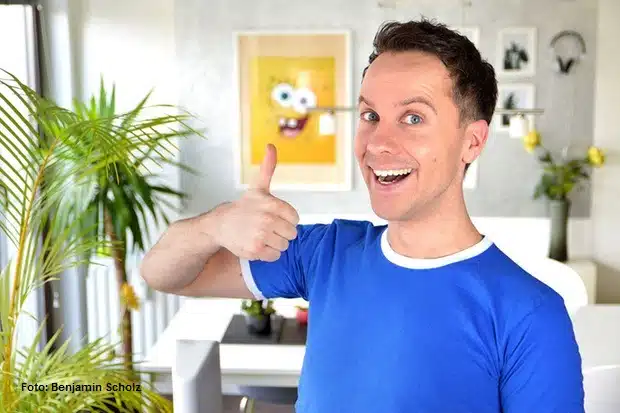
    Ben Scholz visits school classes to talk about sex on a voluntary basis. When the Cologne native realised at some point during his sex education lessons that he was being asked the same questions over and over again by the pupils, he launched his portal in 2014. jungsfragen.de. In specially produced videos there and on his own YouTube channel, Ben answers everything that might interest his core target group, boys aged between 12 and 16.

    Ben, do you notice a sense of shame among boys in schools when it comes to talking about HIV, other STIs and relevant tests at the doctor?
    I can't really confirm that. When I talk about these topics in class, I tend to notice that the pupils are more alert and want to know everything in detail. My impression is that the awareness of the health risks of sex is definitely there or comes to light once you have shaken them up and told them: unfortunately, HIV and AIDS still exist. People often ask me where they can still get a rapid HIV test in the city as soon as I tell them about it.

    Are there also gay boys in the classes who are quite normal about it or do pupils still find it difficult to say to their mates in class: "I'm different from you, I'm gay"?
    It's a shame, but even in 2016 we are still far from being in a situation where you can just come out at school. That's why gay boys are usually less concerned with classic sex topics and more with themselves and their identity, which many are sceptical about. The shame is still pretty great.

    Do you realise this directly in your sex education lessons?
    Yes, over time I've noticed that some boys are really introverted when it comes to homosexuality and do everything they can to avoid making eye contact with me. All this happens out of fear that someone might "find out" after all. Incidentally, the same thing also happens when I talk about foreskin constriction. When one of the boys realises "Oh dear, that's exactly how it is with me", you quickly notice how they mentally leave the lesson. So there are a few topics where the shame is really big. Although, of course, this always has something to do with the class community.

    You're not just in classes, you also run the portal jungsfragen.de. Do many gay boys also seek advice there?
    Yes, a lot of them actually. Gay kids in particular often have one big question: "How can I come out?". It's often a long way before they have sex for the first time. Nevertheless, it is of course important to talk about safer sex and specific sexual practices beforehand. Just as it often happens much more naturally with heterosexuals - even in the school playground.

    Is there also a risk that gay boys will have their first sexual experiences much more "secretly", precisely because they don't dare to talk about it with friends?
    In any case. Unfortunately, unlike their straight mates, they can't usually boast that they were deflowered the night before. Everything happens very differently. This also plays a major role when it comes to the question of a visit to the doctor, for example after a high-risk contact. How do I tell the doctor? How will he react to the gay contact? It often takes more time than with straight people to realise that they are doing the most normal thing in the world.

    Do you have any general tips and tricks for guys who are still at the beginning of their sex life?
    Firstly, I'd like to make it crystal clear: sex is great, sex is fun and it's the best thing in the world. But it's also true that you can catch something during sex. But of course I also reassure people. Fortunately, most things are easily treatable. Even HIV is known to have very good treatment options. My rough rule of thumb is: "If you have a pleasurable sex life with different people, you should have all the usual tests and examinations regularly, about once a year."

    Another tip is to consult a doctor as soon as you have had any risk contact or notice any changes in your own body. Because the quicker the diagnosis, the better and easier the treatment. For example, if a boy writes to me that he has a pimple on his penis but doesn't want to go to the doctor, I sometimes get quite direct and say: 'Yes, well, you'll just have to live with the fact that your willy will fall off. That way they understand directly, because wrapping them in cotton wool doesn't help.

    Last question: How did it come about that you are so relaxed about all these sex topics today and don't feel any shame?
    I just realised at some point that sex is the most normal thing in the world. Everyone does it, everyone masturbates and why shouldn't we talk about something that unites us all so much?

    How the test heroes feel about "shame", you can find out in the test hero clip.

    You can find all the young questions here: www.jungsfragen.de

    Benjamin Scholz blog
    "Sex is great, sex is fun and it's the best thing in the world," says Ben. But he also knows how important protection is. This is one of the reasons why he goes into school classes and gives sex education lessons.
  • Full blast - The cinema documentary "Chemsex"

    Full blast - The cinema documentary "Chemsex"


    "Chemsex" delves deep into London's gay drug and sex party scene. The images and stories leave no one cold - and are exemplary of an international phenomenon.

    There are no long explanatory preambles here, the film gets straight to the point. The filmmakers William Fairman and Max Gogarty begin their documentary with an authentic scene from everyday gay life in London. A young guy is sitting on his sofa at home, chatting and shooting up in the meantime. That's how you would describe a heroin junkie. Gays who inject crystal meth, however, have found the chic term "slamming" for it. It just sounds cooler and not so rocked out, as one of the protagonists will explain later. First, however, we observe the effects of the drug. While the guy continues to talk to the filmmakers, his eyes opening wider and wider, he begins to restlessly search for a sex partner on Grindr.

    "Chemsex", a production of the online magazine VICE, is not for the faint-hearted. A dozen or so gay men tell their stories in this 80-minute film. Stories of day-long sex sessions under the influence of crystal meth, GHB, ketamine and other chemical drugs, of boundless lust and complete dissolution of boundaries during sex. Thanks to the drugs, says one of the interviewees, he was able to "feel like a porn star". However, the downsides are not left unmentioned, and the men also report on the consequences of their addiction: for example, losing their job, their flat, the associated social decline and, time and again, the health consequences. Almost all of the interviewees have contracted HIV, syphilis and other sexually transmitted diseases in the course of their chemsex careers, and the drug use is clearly written on the faces of many of them.

    In "Chemsex", they not only talk openly about their experiences, they also share their lives with the film team - and this includes visits to sex clubs as well as chemsex sessions at home, at privately organised parties, but also going to 56 Dean Street for counselling. The NHS sexual health clinic based there is the largest in the UK and the only one that specifically caters for chemsex users. Around 7,000 gay men use the service every year, half of whom have experience of hard drugs and chemsex parties.

    The fact that the documentary film "Chemsex" is unlikely to leave many viewers emotionally cold is due to two things: firstly, because the protagonists - all attractive, likeable and mostly still quite young men in their own way - are extremely open, direct and honest about their addiction and their sex and drug lives. Secondly, because the filmmakers neither condemn this form of gay lifestyle nor build it up as a sensationalist story. On the contrary, in view of the many drugs consumed in the course of these 80 minutes, their documentary remains remarkably sober and non-judgemental.

    Chemsex-pro-fun2-Blog
    Scene from "Chemsex"

    This attitude was certainly also decisive in creating a basis of trust for the interviewees and thus the prerequisite for these intimate insights in the best sense of the word. However, it is also clear that these endless orgies ultimately remain unsatisfactory for most people. According to a survey by David Stewart from the Sexual Health Clinic, gay men have 5 to 15 sex partners during a chemsex weekend. However, these experiences are apparently not really fulfilling. What remains is an emptiness that you then try to fill with even more sex and even more drugs. "Chemsex gave me the self-confidence that I otherwise didn't have," says one of the interviewees.

    Internalised shame about one's own sexuality, the feeling of not being desired and loved, being rejected and not being accepted as a gay man by family and society as a matter of course - these are just a few aspects of the complex relationships that have led to this growing chemsex subculture in many international gay metropolises, explains David Stewart. In his counselling sessions, he supports gay men in finding their way out of this "vicious cycle of sex, addiction and dependency".

    "Chemsex" cannot explain the phenomenon conclusively, but this documentary definitely helps to understand it better - no more and no less. Chemsex, says co-director William Fairman, is a controversial topic and at the same time a big taboo within the gay scene. "We wanted to start a long overdue debate with this film and hope that people will finally talk about it openly."

    "Chemsex". Directed by William Fairman, Max Gogarty. Great Britain 2015, 83 min. (Pro-fun; available as DVD, video on demand and download)

    Chemsex pro fun blog
    "Chemsex" certainly leaves no one cold. "With this film, we wanted to initiate a long overdue debate and hope that people will finally talk about it openly," say the makers of the film.
  • In drag to school - Drag queen Betty BBQ at a secondary school in Baden-Württemberg

    In drag to school - Drag queen Betty BBQ at a secondary school in Baden-Württemberg

    Imagine you go to school in Baden-Württemberg. Would you expect to come to class one day and be taught about gays, lesbians, bisexuals and trans* people by a drag queen? Betty BBQ has done just that. We spoke to her and the teacher Daniel Hey.

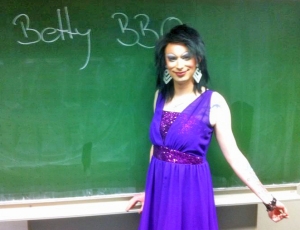
    Betty BBQ at a secondary school in Baden-W (Photo: Betty BBQ)
    Betty BBQ educated pupils about gays and lesbians at a secondary school in Baden-Württemberg. (Photo: Betty BBQ)

    Betty, you gave sex education lessons at a secondary school in Baden-Württemberg. How did that come about?

    (Betty BBQ) Quite simply, I was asked to do it. The teacher Daniel Hey approached me and asked me. And in the end, he convinced me.

    So you didn't really want to. Why not? What expectations did you have?

    (Betty) We all know that we don't talk much about "otherness" at school. And some role models for young people demonise "otherness" or are directly homophobic, as is often the case in hip hop. That's why I honestly didn't have many expectations and was also a bit scared.

    Daniel, why did you want Betty to come to school in her knickers?

    (Daniel Hey) Two aspects were important to me: firstly, I wanted to give the students a glimpse into a world that they had never experienced before. On the other hand, Betty acts as a "queer" specialist who can explain to the young people everything they didn't know about LGBT and queer issues.

    How did it go?

    (Betty) Very good, I found a very interested class and my concerns were quickly dispelled.

    What did you do specifically?

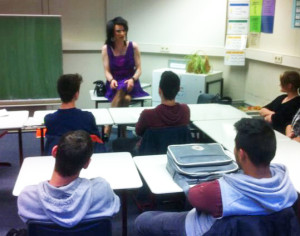
    (Betty) I talked about my activities as a drag queen and about my voluntary work at GenTLe Manthe prevention project of Aids-Hilfe Baden-Württemberg. Afterwards, I answered the young people's questions.

    Drag queen Betty BBQ was happy to be asked smart and interested questions. (Photo: Betty BBQ)
    Betty was surprised by the smart and interested questions. (Photo: Betty BBQ)

    What questions did they ask you?

    (Betty) As already mentioned, I was hardly expecting anything good. However, I was surprised by clever and honestly interested questions. There were questions about queer issues, directly about homophobia or the standard question about how long it takes me to apply make-up (laughs). And the best thing: there wasn't a single question below the belt.  

    How did you feel about the lesson, Daniel?

    (Daniel) I thought it was great too. I'm convinced that a lack of tolerance is based on fear of the unknown. With Betty's visit, I wanted the young people to have contact with someone in a safe environment that they wouldn't otherwise experience. As an "ambassador for tolerance", Betty has helped to bring other ways of life out of the "freak corner".

    What did the college or the headmaster actually say about Betty's visit?

    (Daniel) Most of the teaching staff liked the idea and were interested in the teaching project. I can very well imagine that some teachers are also interested in Betty's visits and can only warmly recommend them. My school is lucky to have a very open-minded headteacher who gave me the freedom I needed for the visit. On the other hand, there are always critical voices, which is justified, as developments that are acceptable to all sides can only take place in a joint dialogue.

    The debate about the education plan in Baden-Württemberg made waves throughout Germany. Was the education plan a topic in your lesson?

    (Betty) The lesson was more or less an educational plan, as it should ideally be (laughs). But as such, it wasn't an issue.

    Your view Daniel: Is the reform of the education plan a big issue at your school?

    (Daniel) That was it, yes. Colleagues were shocked by the petition that wanted to ban sexual diversity from the new education plan. They referred to the counter-petition by email and on the notice board, thus showing their support for the state government's plan. In the days that followed, this led to controversial discussions in the staff room, which I consider to be beneficial.

    Homophobic people have an anti-homosexual attitude. (Photo: DAH)
    Homophobic people have an anti-homosexual attitude. (Photo: DAH)

    Basically: Do you have the feeling that you are more homophobic in Baden-Württemberg than elsewhere?

    (Betty) I don't want to say that, but I do believe that more rural regions have bigger problems. Even my home town, the Black Forest metropolis of Freiburg, still has a lot of catching up to do. That's why it's important to go to schools. I've already achieved something if people don't rant about gays or other minorities at the dinner table in the evening, but instead seriously discuss tolerance.

    Saturday 17 May is International Day against Homophobia. What about you? Have you been discriminated against?

    (Of course! As Drag Queen I'm practically on the front line. If I'm approached directly or mobbed, I can handle it with the quick-wittedness of a drag queen. Fortunately, I've been spared any physical attacks so far.
    But incidents like this give me the strength to carry on. I have the advantage that all of this is flushed down the drain after a long day in the shower with the fictional character Betty BBQ. Not everyone can do that and these gays and lesbians, bisexuals and trans* people need our solidarity and support in the fight for equality and acceptance.

    Here you can find an overview of the cities in which there will be campaigns against homophobia on 17 May: http://de.rainbowflash.info/

  • Hustlers and survival on the streets - the other side of the sex trade

    Hustlers and survival on the streets - the other side of the sex trade

    It all starts with the hope of a better life. But for many migrants and refugees, all that remains in the end is the hustle to earn money.

    Why many hustlers in Germany end up on the streets

    Basically, it's just an old, schmaltzy pop song. But in this bar with its somewhat outdated, kitschy decor, Conny Froboes' song about the longing of the "Two Little Italians" suddenly sounds surprisingly contemporary. Radu* and Petre* don't notice this, however. For them, the song is just a foreign-sounding pub tune; their knowledge of German is far too poor to understand the lyrics.

    If Petre doesn't understand something, he plays over the situation with a jovial "My friend!" and slaps the shoulder of his counterpart in a chummy manner. Sometimes Radu can also interpret something. He then talks in an adventurous mix of Romanian, German and English as well as sweeping gestures. It's not enough for in-depth conversations, but it's enough to negotiate the necessary things with the clients. On this evening, however, business looks rather poor. In the "Blue Boy Bar", a traditional Berlin hustler bar in the gay neighbourhood of Schöneberg, supply clearly exceeds demand. Petre has gone on the offensive, first flirting with a guest for a long time and then casually putting his arm around his neck.

    There are boys who go prostitution in every German metropolis. There are probably several thousand nationwide.
    There are boys who go prostitution in every German metropolis. There are probably several thousand nationwide.

    Between hope and poverty: the road to the hustle

    Petre and Radu, both in their early twenties, came to Germany from a small Romanian town just under a year ago. They had invested what money they had in a train ticket, says Radu. But somehow everything turned out quite differently than they had imagined. The fact that he would now go procuring here with his best childhood friend was certainly not on the agenda. Meanwhile, Petre's new acquaintance is getting up close and personal and exploring the young man's body under the tight-fitting T-shirt with his hand. Radu watches his friend with amusement and at the same time lets his eyes wander restlessly around the pub. The chances of spending the night in a suitor's bed are dwindling. Radu will probably move on soon, hoping to have more success in the hustler pubs round the corner.

    "Free zone" in the hustler projects

    There are boys like Radu and Petre in every German metropolis. In Munich and Hamburg, their number is estimated at over 500 each, and nationwide there are probably several thousand. And what the fashionable clothes and well-groomed appearance of the boys you see in the Blue Boy Bar might not suggest is that the majority of them are homeless. If they can't sleep with mates or clients, their only option is the park bench - or hustler projects such as KISS in Frankfurt, Subway in Berlin or the BASIS project in Hamburg.

    At present, it is mostly Romanians and Bulgarians who work on the streets to earn money to live on.
    At present, it is mostly Romanians and Bulgarians who work on the streets to earn money to live on.

    The Subway is just a few minutes' walk from the Blue Boy Bar. When the doors open at ten o'clock in the morning, the first young men are already at the door: overworked, exhausted and sometimes frozen through. The Subway offers eight beds where the boys can get a good night's sleep. Others come here during the day to shower, eat something warm, talk to others, play table tennis or do their laundry.

    Hustler projects as a shelter for young men

    Helmut Wanner calls this a "free zone". For most of them, it's the only place where they don't have to feel harassed, marginalised or controlled. A few years ago, it was mostly Kosovo Albanians who came to Germany in search of a better, different life and ended up working the streets. Currently, Romanians and Bulgarians make up around 90 per cent of the men who use the help and counselling services, reports project employee Stefan Schröder. Saskia Reichenecker from Café Strichpunkt in Stuttgart, which pursues a similar concept to Subway, is currently encountering an increasing number of men from North African and Arab countries during her street work missions in the scene. Many of them are refugees and are involved in lengthy asylum procedures. Others have already had their applications rejected and are now living here illegally. Because they are unable to work legally, many of them often have no other option but to turn to crime and the drug scene or work as prostitutes.

    Why many hustlers live in secret

    As not only homosexuality but also prostitution is forbidden in Arab-Muslim countries, access to these men is particularly difficult for the social workers at Café Strich-Punkt. They don't even dare tell their best friends how they keep their heads above water. They share this fate with the boys and men from Roma families, in whose culture any form of gayness is taboo or even non-existent. They all come to Western Europe in the hope of a life that can only be better than the one they are leaving behind. But this dream is usually quickly shattered. The hoped-for jobs in construction or as cleaners are either not available or only for a pittance. Sometimes, sex work is the last chance to get by. The prices for these sex services have continued to fall in recent years due to the high supply. A vicious circle.

    Because many refugees are still in the asylum process and are not allowed to work legally, many earn money on the streets.
    Because many refugees are still in the asylum process and are not allowed to work legally, many earn money on the streets.

    Life on the streets often leaves its mark 

    Only very few make the leap into a middle-class life with a proper job. While escorts generally pursue sex work with personal responsibility and a self-confident gay identity, these men offer their services out of sheer necessity. Some see themselves as heterosexual and may even have a wife and child. Others have not yet had the chance to realise their true sexual desires and needs free from coercion and need.
    Life on the streets is not without consequences. For many of the men who end up in this dead-end street, which is almost impossible for them to escape, the permanent disruption, disgust and resulting self-hatred lead to gambling and drug addiction, alcoholism, auto-aggressive behaviour and other mental disorders. Life on the streets - and without health insurance - also has health consequences. Projects such as Subway, not least with the help of language mediators from the men's countries of origin, try to build trust and offer counselling and help in emergency situations. This also includes education about sexually transmitted diseases and safer sex. Sometimes not even basic knowledge is required, explains Wanner.


    "The fact that Romanians and Bulgarians have been able to move freely throughout Europe since the beginning of the year at least offers a way out: prostitution is no longer necessarily the only way to earn money, we can also place them in legal work," says Saskia Reichenecker. At least in theory. In reality, as Helmut Wanner knows from experience, the labour market offers virtually no low-threshold job opportunities for these men, who generally have no vocational training and are often illiterate.

    *Names changed


    FAQ about hustlers in Germany

    Why do young men end up working as prostitutes, what are the risks and what help do prostitution projects offer? Here you will find answers to key questions about poverty, migration, sex work and support in Germany.

    Why do many hustlers in Germany end up on the streets?

    Many hustlers in Germany do not sell sex out of choice, but out of sheer necessity. Poverty, homelessness, a lack of work permits and a lack of prospects mean that for some, hustling is the last chance to earn money.

    Who is particularly often affected by life as a hustler?

    Migrants, refugees and young homeless men are particularly frequently affected. Many of them come to Germany with the hope of a better life, but are unable to find access to legal work and end up in precarious living situations as a result.

    What consequences does life on the streets have for hustlers?

    Life on the streets can have serious psychological and physical consequences. Many hustlers experience marginalisation, stress, fear, self-hatred, addiction problems and health risks. In addition, there is often a lack of medical care and unsafe living conditions.

    What help is available for hustlers in Germany?

    There are help centres and prostitution projects in several German cities that offer protection, advice and support. Those affected can sleep, shower, eat, wash clothes, talk and receive help in emergency situations. They also provide information about safer sex and health risks.

    Are there ways out of the line?

    Leaving is possible, but often very difficult. A lack of education, language barriers, poverty and insecure residency make it difficult to find a stable life. This makes it all the more important to have aid projects that support hustlers in finding legal work, dealing with the authorities and in everyday life.


    Need someone to talk to?

    Whether acute or simply for orientation - sometimes it helps to talk to someone in confidence.
    Use the Gay Health Chat - the button at the bottom right will accompany you on the page. There you can chat anonymously and free of charge:

    - Personal live advice in the chat
    - Help by e-mail or telephone
    - Information on health, law, everyday life and more